

Bridging the Gap: Ocean Accounts and Australia's Sustainable Ocean Vision
By Elizabeth Hollaway, Eliza Northrop
Read More
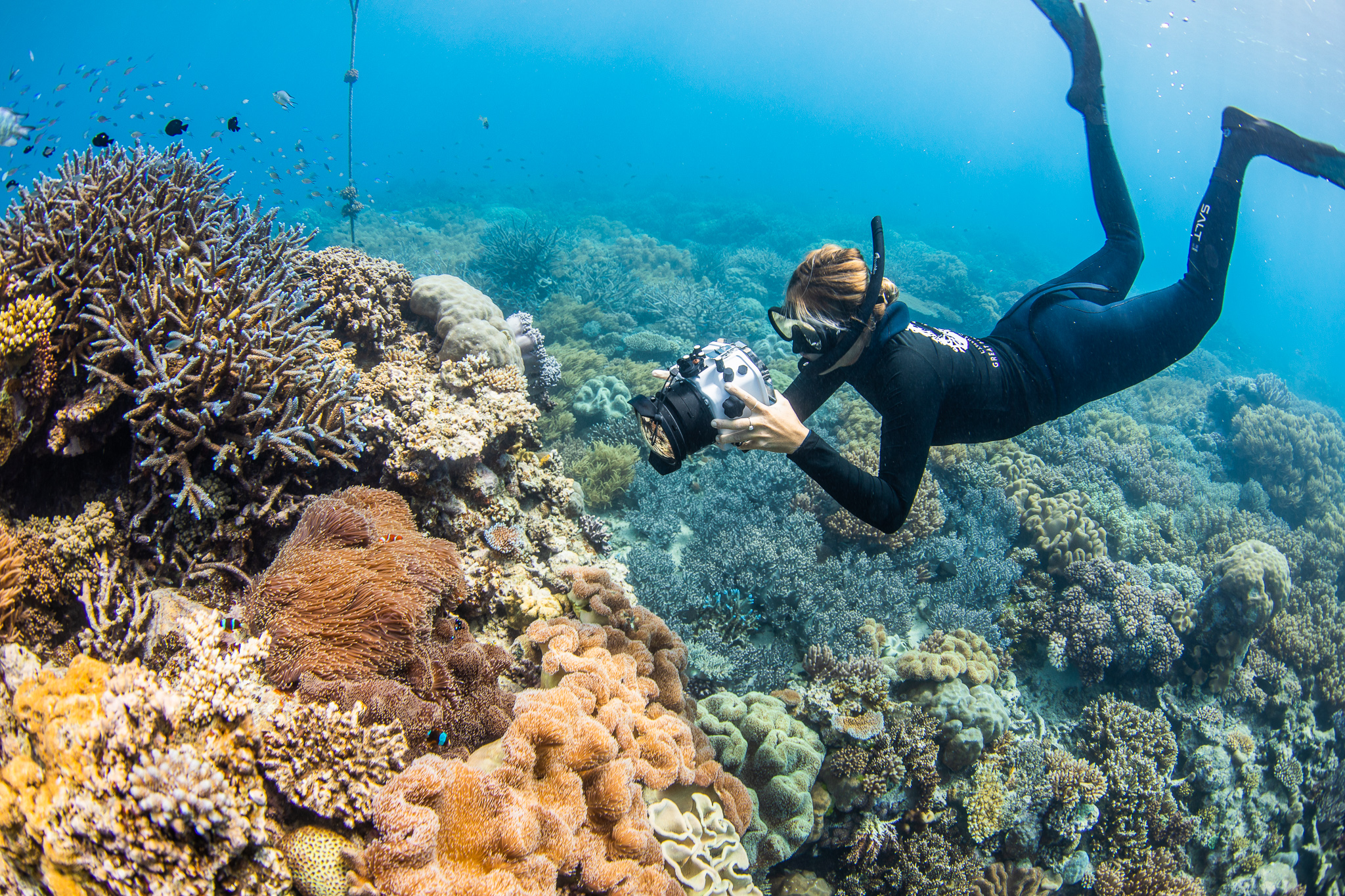
The Great Barrier Reef Ecosystem Accounts bring together environmental, social and economic information to show the condition, value and benefits of one of the world’s most significant marine ecosystems.
Australia’s Great Barrier Reef Marine Park is the world’s largest coral reef ecosystem and one of the most complex natural ecosystems on the planet. The Great Barrier Reef supports rich biodiversity and is an essential part of the economy, livelihoods and wellbeing of many Australians.
To understand the size, condition and services provided by the Great Barrier Reef region, the Australian Bureau of Statistics (ABS), in partnership with the Department of Climate Change, Energy, the Environment and Water (DCCEEW) Reef Policy team, developed the Great Barrier Reef Ecosystem Accounts, experimental estimates, 2022–23. Developed over ten months, the accounts build on the foundation established through Australia’s National Ecosystem Accounts and provide a comprehensive picture of ecosystem extent, condition and services across the Great Barrier Reef region.
The accounts cover 42.7 million hectares of land and 35.2 million hectares of marine environment from 2022-23. The data revealed the wide-ranging benefits the Reef provides to communities, the economy and the environment. Highlights include:
The Great Barrier Reef Marine Park recorded more than 2.2 million commercial visits, with ecosystems contributing an estimated $10.3 million to recreational activities.
Tourism across the region supported over 49,000 jobs and generated $13 billion in tourism consumption.
Blue carbon ecosystems—including mangroves, saltmarsh and seagrass meadows—stored 196 million tonnes of carbon, valued at $1.24 billion, and sequestered 2.56 million tonnes of CO₂-equivalent during 2021–22.
These same coastal ecosystems protected more than 21,000 dwellings and 45,000 people from storm and tidal surge impacts.
As experimental statistics, the Great Barrier Reef Ecosystem Accounts showcase how ecosystem accounting can bring environmental, social and economic information together in a way that supports evidence-based decision-making and strengthens the growing global practice of ocean and ecosystem accounting.
The accounts will support Reef programs and inform policy development, including the review and update of the Reef 2050 Long-Term Sustainability Plan.
For more information, see: Great Barrier Reef Ecosystem Accounts, experimental estimates, 2022-23 financial year | Australian Bureau of Statistics
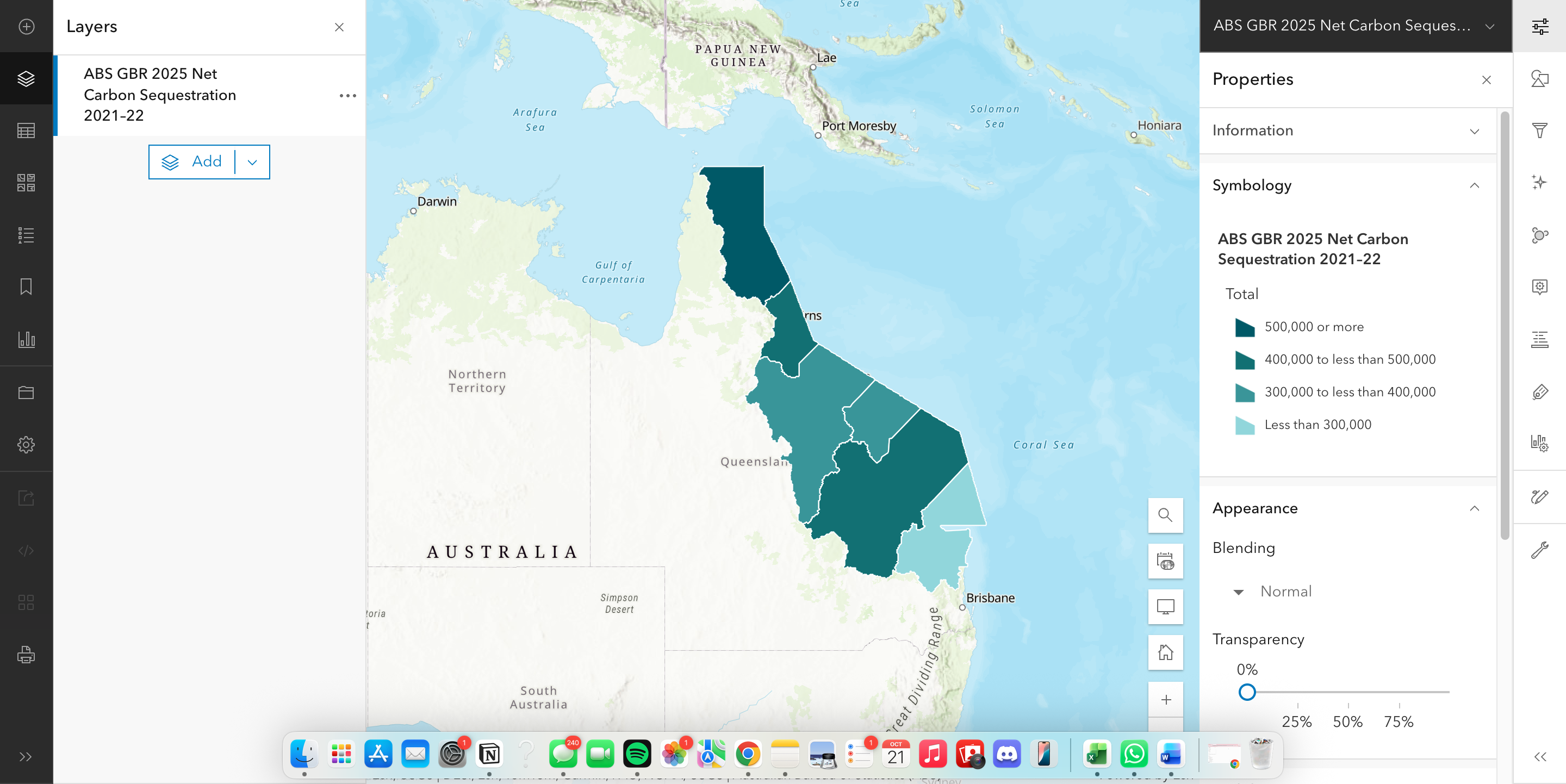
_The Department of Climate Change, Energy, Environment and Water has been a Member of the GOAP since 2021. The GOAP Secretariat celebrates this important milestone for membership.
By Elizabeth Hollaway, Eliza Northrop
Read More
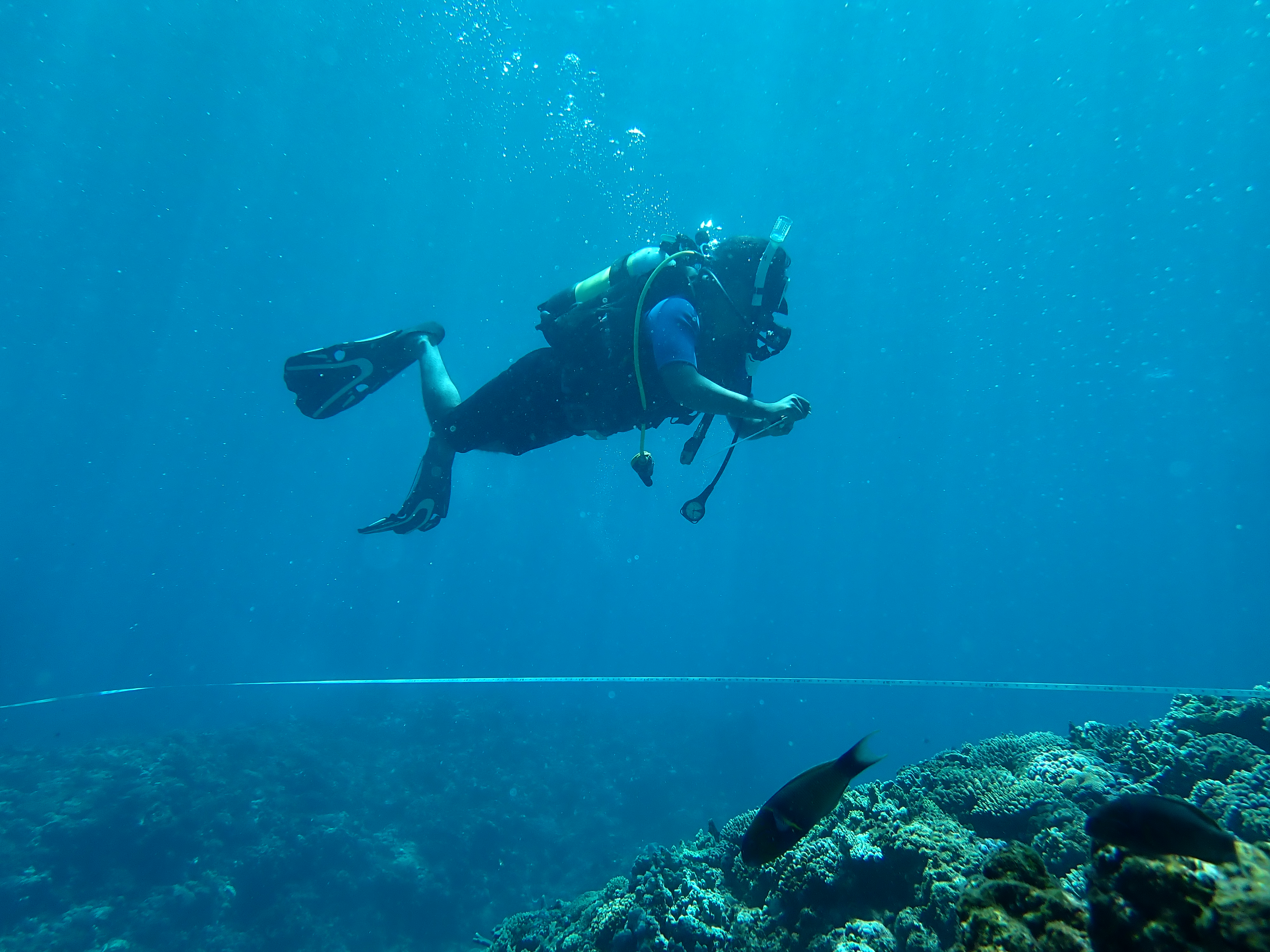
Ocean Accounts Fellows in Madagascar are developing ocean accounts for coastal and coral reef change, and the ecosystem services they provide to local communities.
Read More
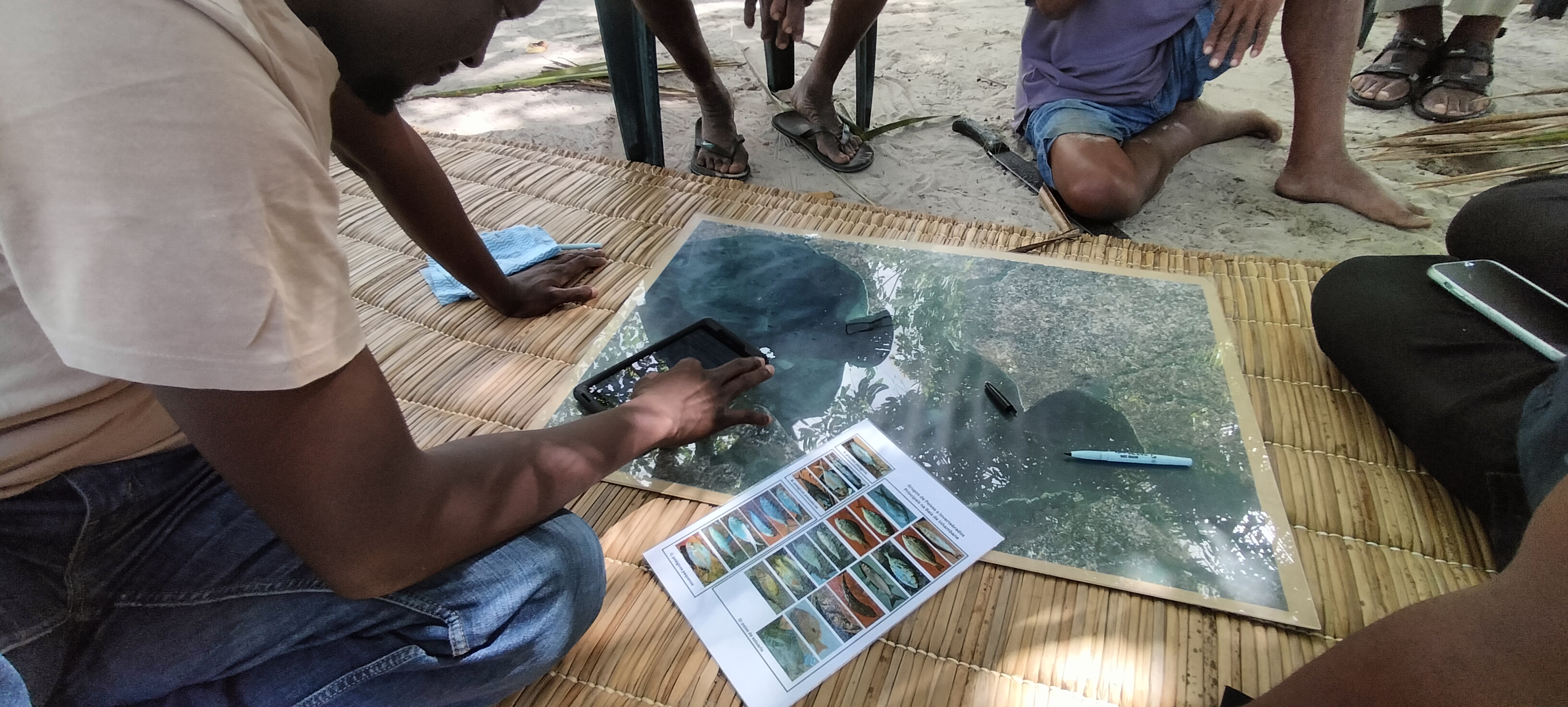
Community-based social data is being collected in Inhambane Bay, Mozambique to feed into a future pilot Social Account, through the work of Ocean Revolution Mozambique and World Resources Institute and support from the UK Government’s Blue Planet Fund.
Read More