
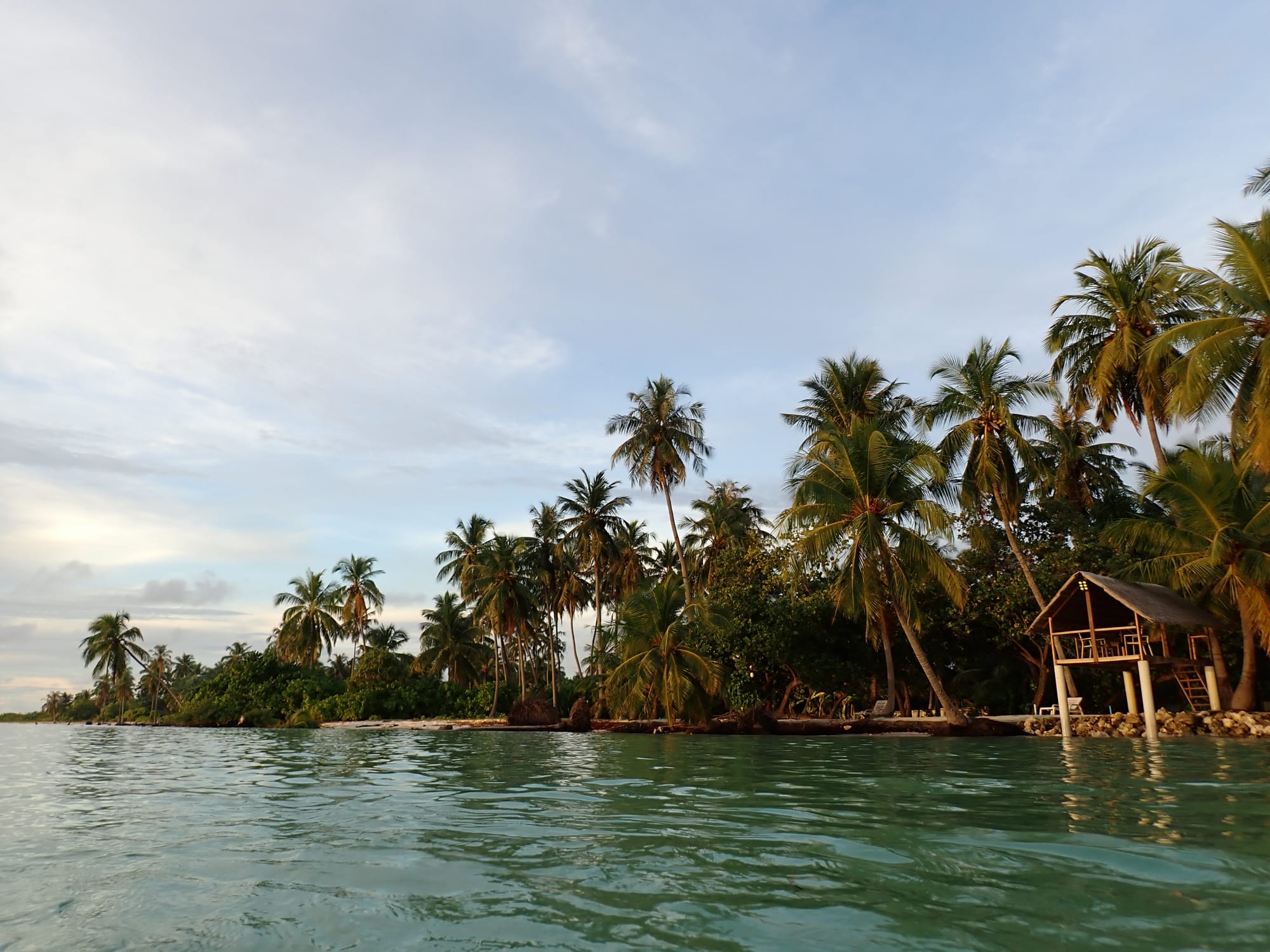
Ocean accounting in the Maldives
Information on ocean accounting projects the Global Ocean Accounts Partnership (GOAP) is supporting in the Maldives
Learn More
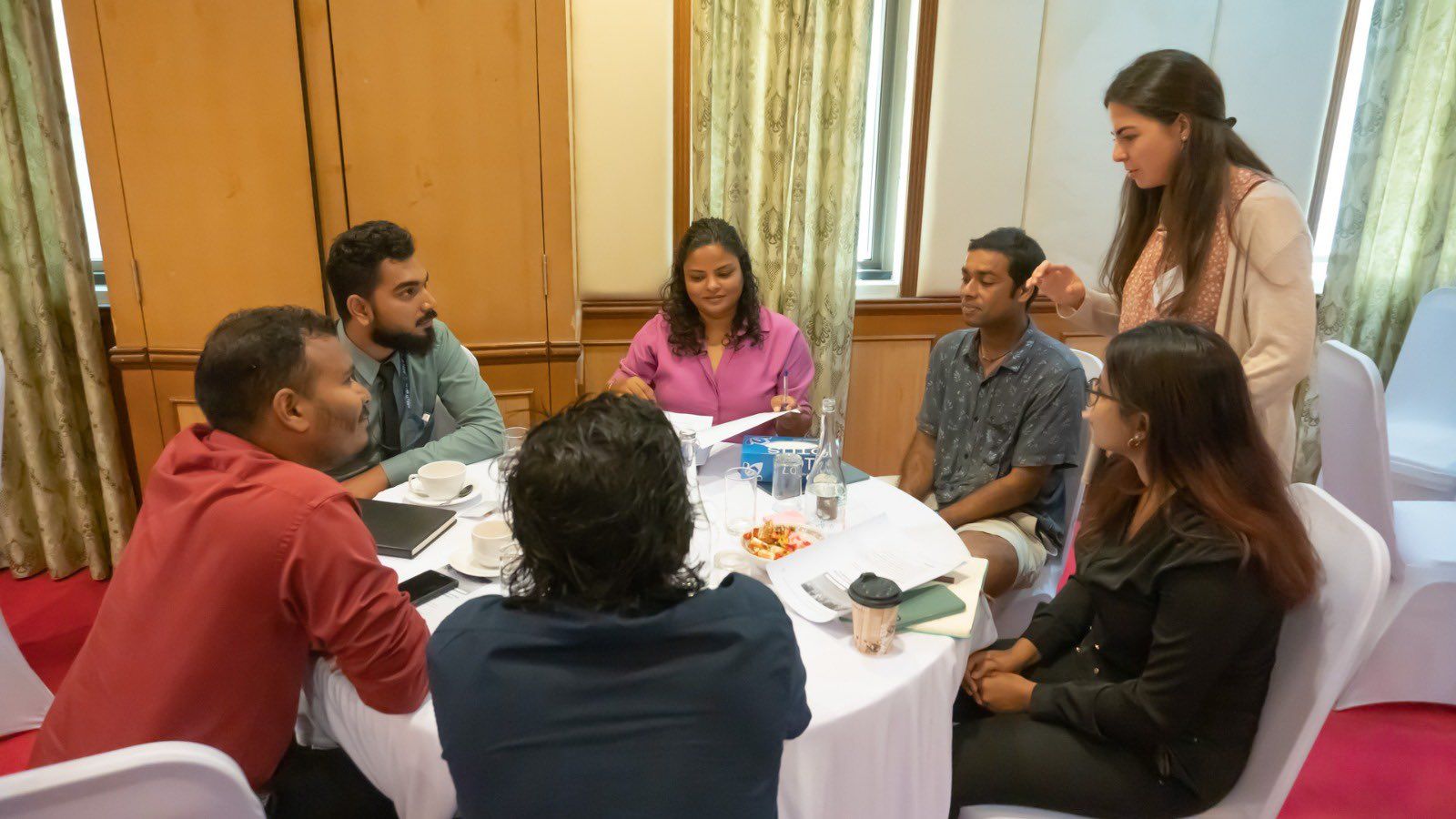
The Maldives has begun integrating the social domain into national Ocean Accounts frameworks.
Ocean Accounts compile and present structured data across environmental, social and economic domains. To date, ocean accounting in the Maldives has primarily focused on economic and environmental accounts. The absence of social data means coastal community experiences, needs, knowledge and contributions to ocean health and the ocean economy remain invisible in decision-making processes. In the Maldives that is changing. The Maldives has begun integrating the social domain into national Ocean Accounts frameworks.
Social Accounts capture the social, cultural and equity dimensions of the human-ocean relationship within the Ocean Accounts framework.
The Social Data Audit Methodology and Tool developed by the Global Ocean Accounts Partnership (GOAP) and World Resources Institute (WRI) is a practical tool that can be used to evaluate social data availability in national contexts. The tool demonstrates how to systematically identify, assess, and operationalise existing data sources of social data for Ocean Accounts.
The Maldives was one of eight countries first assessed using the social data audit methodology to examine social data availability (watch the launch webinar to learn more).
By analysing 94 indicators from three national data sources between 2017 and 2022, the analysis revealed that many statistics already have extensive national coverage. All 94 indicators include at least one level of disaggregation (by geography, gender, or age), enabling analysis of how conditions vary across groups and regions. The analysis also revealed several areas for improvement.
| Existing statistics | Opportunities |
|---|---|
| Develop indicators for:
|
Strengthening national social data can be addressed without needing to collect new data - existing variables can be combined to generate marine-specific indicators.
For example, fisheries employment data can be disaggregated to reveal income, education, and health indicators for fishing households versus non-fishing households. This would reveal whether fishing communities face distinct challenges in poverty, service access, or disaster recovery.
Where new data is needed, the assessment has identified three priority areas for strengthening existing surveys or developing targeted modules:
This work supports implementation of Maldives’ National Ocean Accounts Roadmap 2025–2030, launched in June 2025. The country’s progress so far has established the Maldives as a leader in this space and offers a replicable model for other countries seeking to integrate social dimensions into ocean accounting.
Information on ocean accounting projects the Global Ocean Accounts Partnership (GOAP) is supporting in the Maldives
Learn More
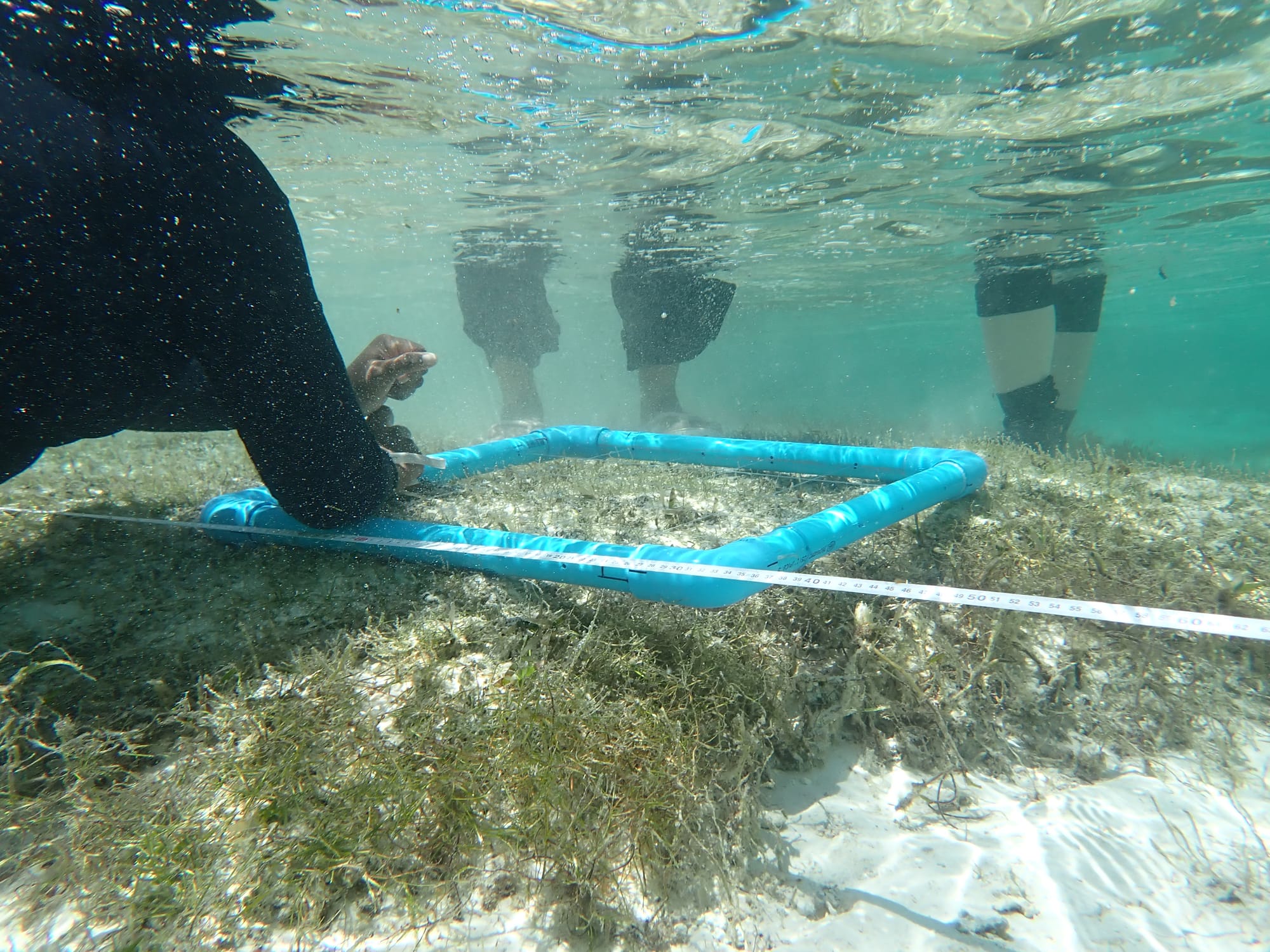
The Government of the Republic of Maldives is developing natural capital accounts through pilot testing of the SEEA Ecosystem Accounting (SEEA EA) framework in Laamu Atoll.
Learn More

GOAP Social Data Audit Tool helps countries evaluate if their existing national data systems can support the integration of social dimensions into Ocean Accounts.
Learn More