
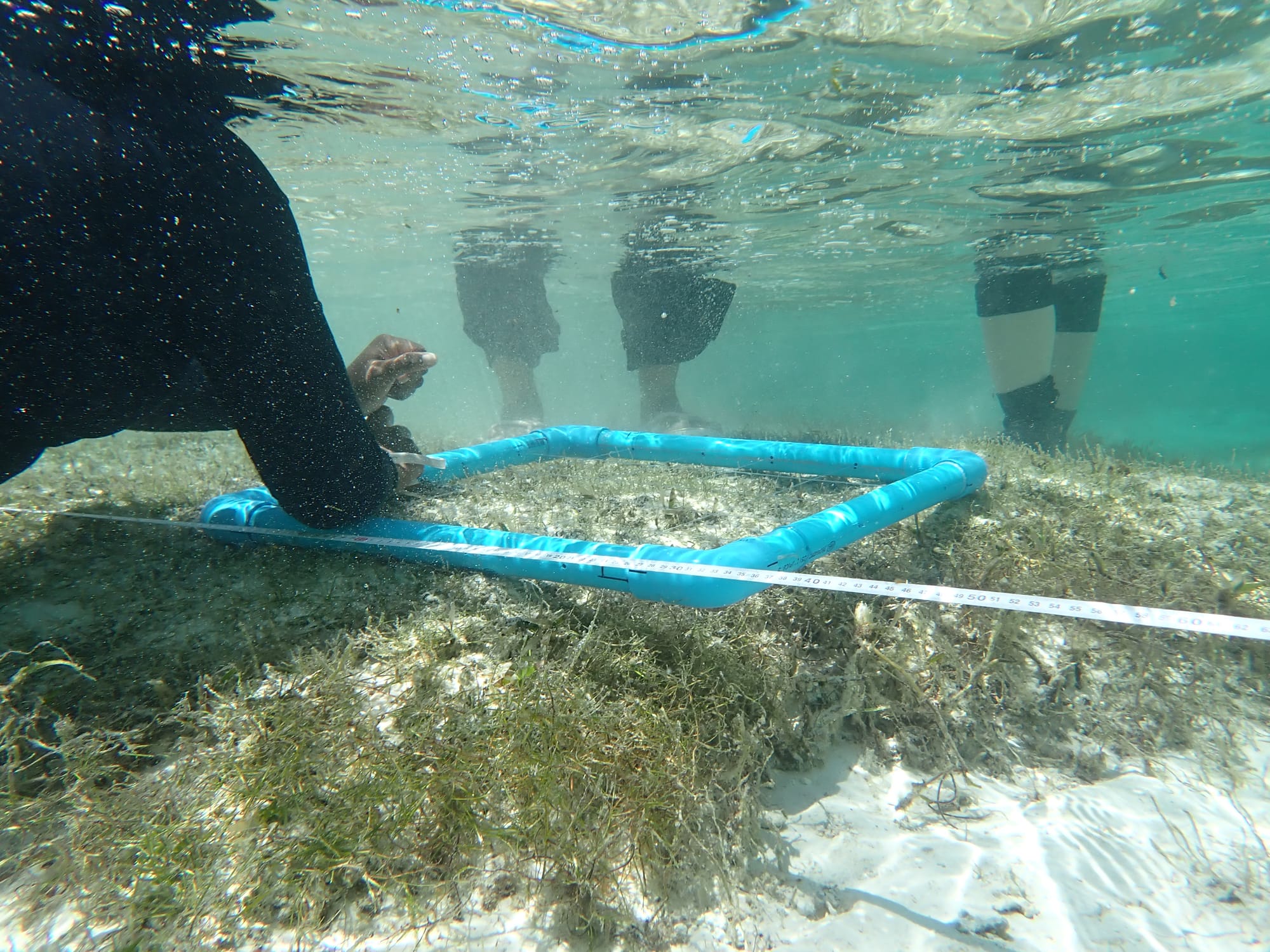
Natural Capital Accounting in Laamu Atoll
The Government of the Republic of Maldives is developing natural capital accounts through pilot testing of the SEEA Ecosystem Accounting (SEEA EA) framework in Laamu Atoll.
Learn More
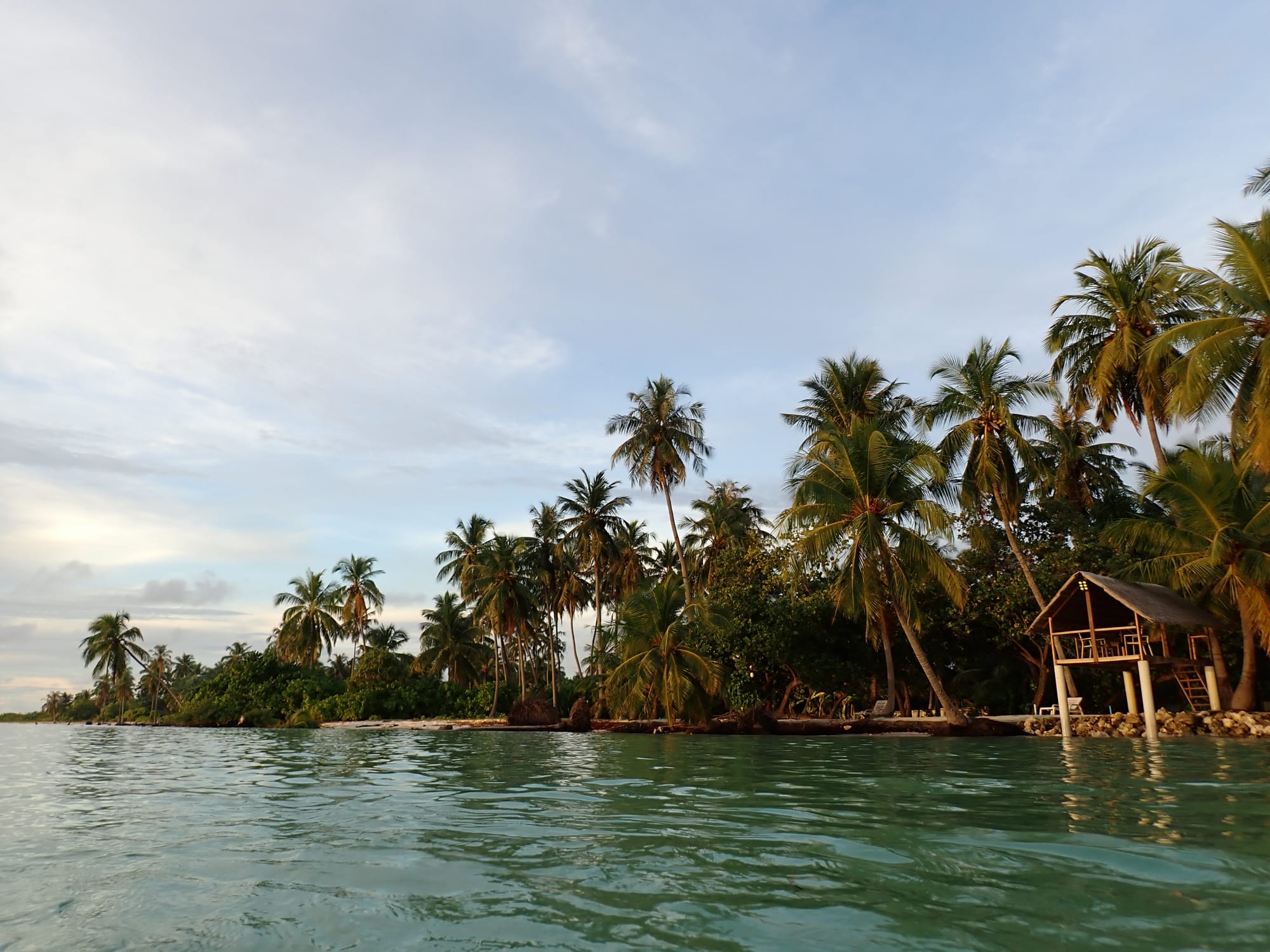
Information on ocean accounting projects the Global Ocean Accounts Partnership (GOAP) is supporting in the Maldives
The Maldives is one of the world’s most geographically dispersed countries, consisting of 1,192 coral islands grouped in a double chain of 26 natural atolls. With an ocean territory over 3000 times larger than its land area, marine and coastal ecosystems are integral to social and economic prosperity.
Understanding the way local communities and the economy depend on these ecosystems is essential to sustainable management and conservation. The government in the Maldives has been developing Ocean Accounts since 2023 to integrate environmental and economic data that supports investment decisions, policy implementation, and strategic development planning.
Since 2021, the Ministry of Tourism and Environment has partnered and collaborated with the Global Ocean Accounts Partnership (GOAP) Secretariat across several projects including GEF6 ENDhERI on natural capital accounting in Laamu Atoll, the UNESCO Biosphere nomination for Laamu Atoll, GEF 7 CATENATE on ecotourism, and Social Accounts.
As a “Big Ocean State,” marine and coastal resources are the Maldives’ most vital asset - understanding the value of nature is the key to the Maldives’ long-term prosperity and resilience.
The Implementation Roadmap for Ocean Accounting is a strategic blueprint that provides a clear path to integrating the environment into national economic planning. The Roadmap focuses on three strategic pillars:
The GOAP Secretariat is working closely with the Maldives to achieve these ambitious national milestones:
| Timeline | The Maldives’ Vision |
|---|---|
| By 2026 | Informed Policy: Ocean Accounts are standard tools for government decision-making. |
| By 2028 | National Expansion: Scaling data collection from pilot sites like Laamu Atoll to the entire archipelago. |
| By 2030 | Full Integration: Ocean health is fully woven into the nation’s long-term development and economic strategy. |
The Roadmap was developed by the Ministry of Tourism and Environment with support from the Global Ocean Accounts Partnership (GOAP) Secretariat.
Read Maldives’ Roadmap for Ocean Accounts.
The Government of the Republic of the Maldives developed natural capital accounts through pilot testing of the System of Environmental Economic Accounting Ecosystem Accounting (SEEA EA) framework in Laamu Atoll, an ecologically sensitive and economically important area in southern Maldives. As part of the Enhancing National Development through Environmentally Resilient Islands (ENDhERI) project, funded by GEF and implemented by UNEP, the GOAP Secretariat worked closely with Maldives government to ensure successful implementation.
This project was supported by Maldives National University, the Fisheries Resource Center of Indonesia (Rekam Nusantara Foundation) and the GOAP Secretariat, along with key local stakeholders.
Learn more about the project activities and outcomes
A UNESCO Biosphere Reserve is a “learning place for sustainable development,” where conservation of biodiversity is harmonized with its sustainable use.
Establishing Laamu Atoll as a biosphere reserve is a strategic initiative to secure the Maldives’ natural assets. This project is built upon the foundation of Natural Capital Accounts developed through the ENDhERI project, which provided the critical data needed to quantify the value of Laamu’s reefs and mangroves. The project focuses on three strategic pillars:
The GOAP Secretariat is working closely with the Ministry of Tourism and Environment to achieve this ambitious nomination, leveraging ocean accounting.
The Maldives has begun integrating the social domain into its national Ocean Accounts framework. The availability of social data was assessed using the Social Data Audit Tool developed by GOAP and WRI. This preliminary assessment of 94 indicators revealed strong foundational statistics for employment, income, poverty, and demographic data. The assessment also revealed three priority areas for improvement including gender equity measures, marine-specific indicators for fishing communities, and data capturing cultural connections to the ocean. Read the report on country level insights on social accounts in the Maldives (2025) [link].
Building on this foundation, the Maldives is piloting the integration of social dimensions into ocean accounting through two Pilot Social Accounts in Laamu Atoll and Fuvahmulah Atoll. These have been co-designed by GOAP, Maldives Resilient Reefs, Maldives National University and island councils.
The first stage of the Laamu Atoll pilot was to consult with communities, stakeholders, and decision-makers to identify social conditions and activities that are often invisible in decision-making, and to ensure communities’ lived realities are reflected in Social Accounts. These consultations were undertaken in L.Gan and L.Hithadhoo between November 2025 and March 2026. Based on these consultations, a Pilot Social Account will be produced for Laamu Atoll using available secondary data from the Maldives Bureau of Statistics.
The Fuvahmulah Atoll Pilot, funded through the ENDhERI programme and led by Maldives National University, is the first pilot globally to collect primary data for Social Accounts. A total of 68 surveys have been collected so far and are providing rich community-level insights.
This progress supports implementation of the National Ocean Accounts Roadmap 2025–2030 and positions Maldives as a leader in social accounts development.
Dr Jordan Gacutan, Senior Research Associate, GOAP
Dr Rebecca Shellock, Social Scientist, GOAP
Mariyam Rifga, Country Coordinator, GOAP
The Government of the Republic of Maldives is developing natural capital accounts through pilot testing of the SEEA Ecosystem Accounting (SEEA EA) framework in Laamu Atoll.
Learn More
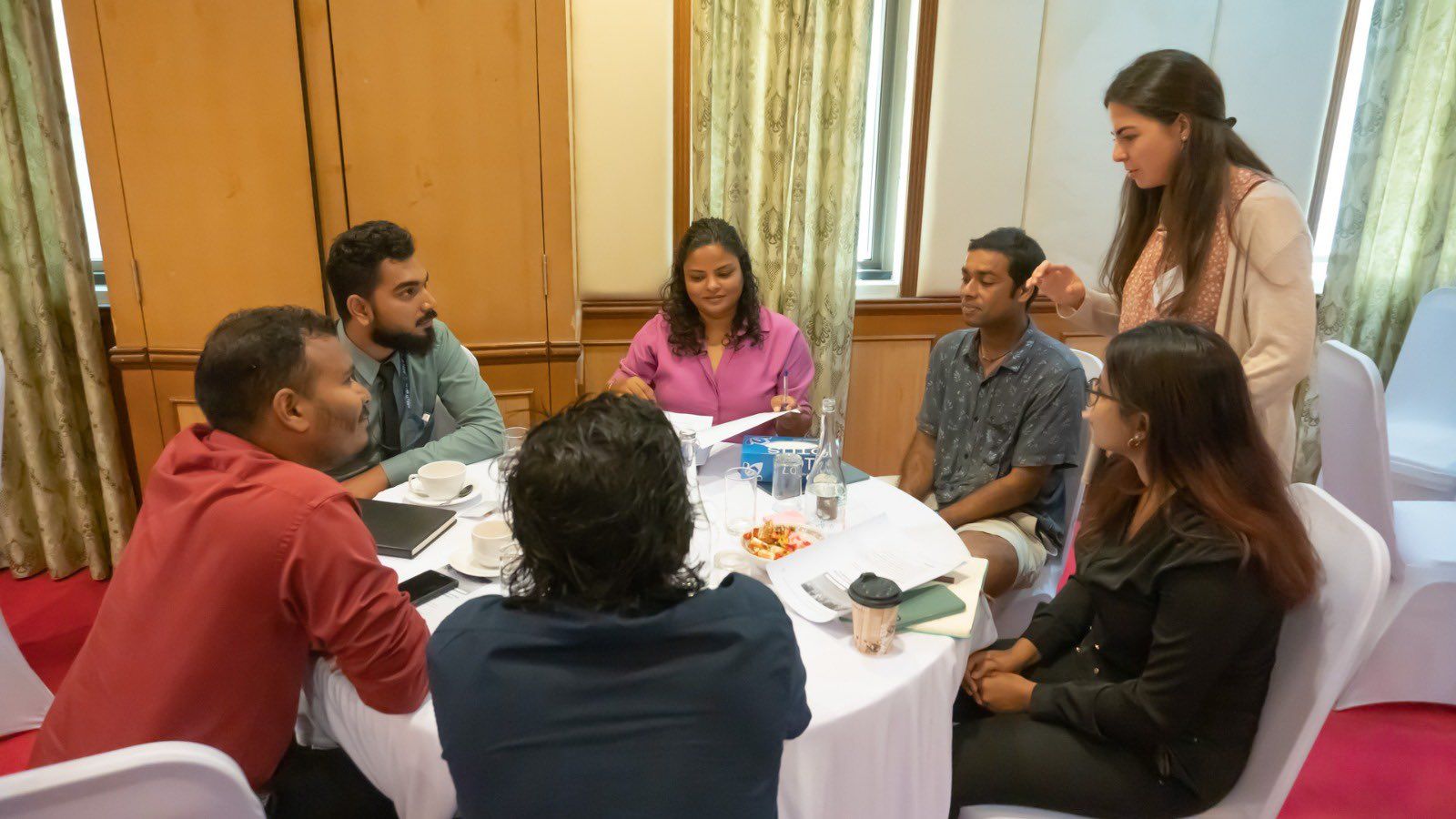
The Maldives has begun integrating the social domain into national Ocean Accounts frameworks.
Learn More
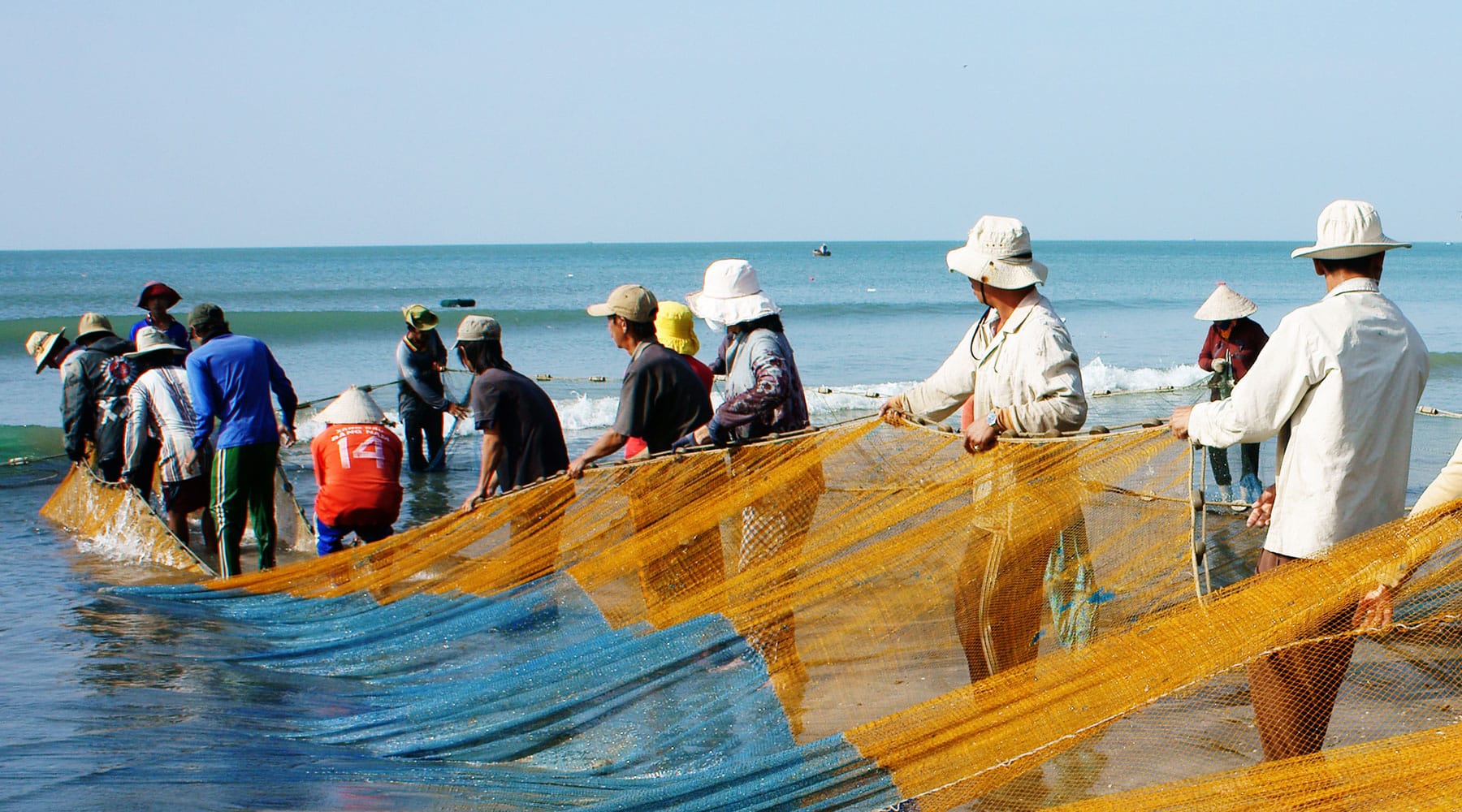
Coastal communities remain largely invisible in ocean policy decisions. A new eight-country analysis reveals that countries have the tools and data to start integrating social data into Ocean Accounts transforming ocean governance into an instrument of equity.
Learn More